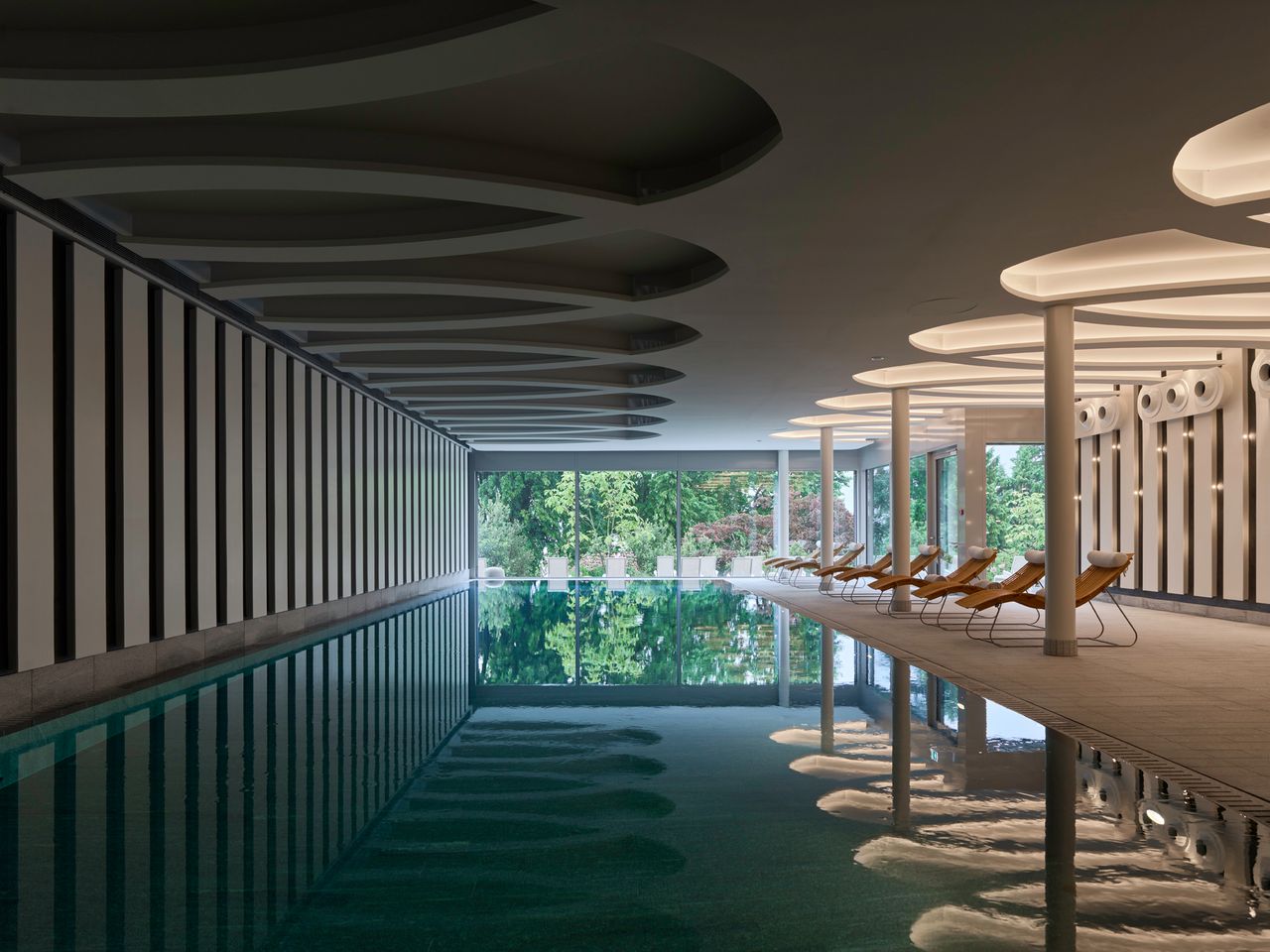
Lake Lucerne · Switzerland · Medical wellness
Chenot Palace Weggis is a highly structured medical-wellness retreat on Lake Lucerne, built around the Chenot Method and a minimum one-week programme stay. Current flagship pathways include Advanced Detox, Recover & Energise, Prevention & Ageing Well and Body Insights & Optimisation, with optional specialist modules such as Sleep Cycles. Medical consultations, diagnostics, personalised treatment, the Chenot Diet, hydrotherapy, movement and recovery are combined into a deliberately intensive seven-night format.
Medical-wellness card
Location: Weggis, Lake Lucerne, Switzerland
Style: Luxury medical-wellness retreat
Best for: Structured detox-style programmes, recovery, sleep, healthy ageing, performance, diagnostics and longer supervised stays
Minimum stay: One week for core programmes
Current programme family: Advanced Detox, Recover & Energise, Prevention & Ageing Well and Body Insights & Optimisation
Optional modules: Sleep Cycles and other specialist add-ons depending on current schedule
Approach: Medical consultation, diagnostic testing, Chenot Method treatments, personalised nutrition, movement and recovery
Nutrition: The Chenot Diet uses three plant-based meals daily within its “fast with food” philosophy.
Why choose Chenot Palace Weggis?
Chenot Palace Weggis is not designed for a casual spa weekend. The defining feature is discipline: guests follow a medical-wellness programme with consultations, diagnostic testing, prescribed treatment and a controlled nutritional plan over at least seven nights.
This structure can be valuable for travellers who want a complete break from normal habits and a clearly organised daily routine. It may be less suitable for someone who wants a flexible luxury holiday with unrestricted dining, spontaneous excursions and occasional massage.
The Chenot Method
The Chenot Method combines elements of conventional medicine, complementary approaches, nutrition, hydrotherapy and body treatments. The philosophy places strong emphasis on reducing what the provider describes as physiological stress, supporting recovery and improving long-term resilience.
The Spa Traveller treats Chenot’s broader detoxification, anti-ageing and bioenergetic claims as provider claims rather than guaranteed clinical outcomes. Guests should ask which interventions are supported by mainstream medical evidence, which are complementary wellness practices and what measurable result is realistically expected over one week.
Advanced Detox
Advanced Detox is one of Chenot’s best-known programmes and is designed around the brand’s signature detox and reset philosophy. Current programme information combines medical consultations, diagnostics, body treatments, hydro-aromatherapy, plant-based mud treatments and hydrojet therapy with the Chenot Diet.
“Detox” is a broad wellness term. The body already relies on the liver, kidneys, lungs and gastrointestinal system for physiological clearance. The more practical reasons to choose a structured programme are likely to be reduction in alcohol and processed food, regular movement, better sleep, predictable mealtimes and a period away from normal stressors.
Recover & Energise
Recover & Energise is aimed at guests who feel depleted, stressed or fatigued and want a more recovery-centred programme. It builds on the core Chenot framework but places greater emphasis on restoring energy, reducing chronic stress and improving resilience.
Fatigue has many causes, from sleep deprivation and overwork to anaemia, thyroid disease, infection, depression or other medical conditions. Persistent or unexplained fatigue should therefore be medically evaluated rather than assumed to be simply a wellness imbalance.
Sleep Cycles
The Sleep Cycles module is layered onto Recover & Energise and is designed around chronotype and circadian rhythm. Current Chenot information describes treatment timing intended to support sleep pressure, sleep architecture and healthier sleep routines.
The programme is interesting because it recognises that sleep is behavioural and circadian as well as psychological. Ask how the team addresses light exposure, meal timing, caffeine, exercise, stress and bedtime routine, because those factors are often more important for sustainable sleep than a single treatment.
Prevention & Ageing Well
Prevention & Ageing Well combines detox-style treatment with diagnostics and physical assessment intended to identify lifestyle-related risk and support healthy ageing. Current programme material includes cardiovascular fitness assessment, posture and movement evaluation, body-composition analysis and other biomarker-led testing.
The Spa Traveller recommends focusing on meaningful healthspan outcomes: cardiovascular fitness, muscle strength, metabolic health, mobility, sleep and risk-factor management. Be cautious of any interpretation that turns a short retreat into a promise to reverse biological ageing.
Body Insights & Optimisation
Body Insights & Optimisation is the most assessment-led of the major current programmes. Chenot positions it around medical and functional diagnostics designed to show how lifestyle may be affecting performance and health.
As with any diagnostic-heavy wellness programme, ask what each test is for, how accurate it is and what action would follow the result. More testing is not automatically better if the result does not change a meaningful health decision.
Medical consultations and screening
Chenot programmes begin with medical consultation and use diagnostic testing to adapt the treatment schedule. Existing programme documentation includes cardiometabolic, postural, body-composition and other assessments depending on the pathway.
Bring a complete medication list, relevant recent test results and an accurate medical history. If the programme suggests altering prescribed medication or established treatment, involve the clinician who normally manages that condition.
The Chenot Diet
The Chenot Diet is a highly controlled nutritional component of the programme. Current Chenot material describes three plant-based meals per day and approximately 850 calories daily within its “fast with food” approach on selected programmes.
That level of calorie restriction is not appropriate for everyone. Older adults, people with diabetes, kidney disease, eating disorders, pregnancy, low body weight or certain medications may need specific medical consideration. Guests should discuss suitability directly with the medical team and avoid copying the programme independently at home.
Hydro-aromatherapy and plant mud
Signature Chenot treatment sequences include hydro-aromatherapy baths, plant-based mud wraps and directed hydrojet treatment. These are core parts of the sensory and body-treatment experience.
The practical benefits for most guests are relaxation, warmth, water pressure and time away from ordinary routine. Claims around toxin removal or systemic cleansing should be interpreted cautiously unless linked to clear physiological evidence.
Massage and bioenergetic treatments
Chenot programmes typically include repeated massage and treatments framed around the brand’s bioenergetic philosophy. These may draw on ideas from Traditional Chinese Medicine and meridian-based concepts.
Some guests find these approaches deeply relaxing, but they should be distinguished from conventional diagnostic medicine. If a complementary assessment conflicts with established medical advice, discuss the discrepancy with an appropriately qualified doctor.
Movement and fitness
Physical assessment and movement are integrated into the programme rather than left as optional gym time. Current Chenot documentation includes personal training, postural assessment and, on selected programmes, hypoxic exercise in an altitude-style room.
Training should match current capacity. If you are returning to exercise after illness, injury or long inactivity, progressive load matters more than intensity. Ask how the programme is adjusted for age, joint limitations, cardiovascular risk and previous training experience.
Cryotherapy and recovery technology
Some Chenot programmes include whole-body cryotherapy or other recovery technologies. These interventions sit at the more advanced end of wellness and should not be treated as universally beneficial.
Ask why the therapy is being recommended, what evidence supports it for your goal and what contraindications apply. Guests with cardiovascular or circulatory concerns should be particularly careful around extreme cold.
Pool, sauna and hammam
The wellness environment includes pool and thermal facilities, and current Chenot guest information refers to pool, sauna and hammam areas as phone-free zones. This reinforces the retreat’s emphasis on reducing stimulation as well as adding treatments.
These spaces can be useful precisely because they are less medical. A week of testing, diet and scheduled treatment can become mentally tiring, so ordinary quiet time in water or heat has value in its own right.
Phone-free wellness
Chenot operates phone-free zones across the spa, medical areas, hammam, sauna and pool. For guests accustomed to working constantly, this may be one of the most effective behavioural interventions in the whole stay.
Reducing digital stimulation can make it easier to notice sleep, appetite and stress patterns that are masked by everyday routine. The benefit does not require complicated technology; it comes from creating genuine uninterrupted time.
Who will enjoy it most?
- Structured wellness travellers: guests who are comfortable following a defined seven-day routine.
- Recovery-focused professionals: Recover & Energise and Sleep Cycles are particularly relevant to stress and fatigue.
- Healthy-ageing guests: Prevention & Ageing Well adds fitness and lifestyle assessment.
- Diagnostics-oriented travellers: Body Insights places assessment at the centre of the experience.
- Guests willing to follow a controlled diet: the Chenot Diet is fundamental to the programme rather than optional.
Who may prefer another retreat?
Travellers who want unrestricted dining, wine, spontaneous sightseeing or a loosely structured spa holiday may find Chenot too disciplined. Likewise, anyone uncomfortable with calorie restriction or intensive programme scheduling should understand the format fully before committing.
The Lake Lucerne setting is beautiful, but this is fundamentally a health programme with luxury hospitality rather than a conventional Swiss resort holiday.
How long should you stay?
Chenot’s core programmes are designed around a minimum one-week stay. That is long enough for assessment, repeated treatment and a consistent routine, but short enough that expectations should remain realistic.
The value of the week depends on what continues afterwards. Ask what post-stay nutrition, exercise, sleep and lifestyle guidance is provided and which medical findings should be followed up at home.
How to plan the stay
Request the complete programme inclusion list before booking. Clarify which diagnostics and treatments are standard, which are added only if medically indicated and which carry additional charges. Bring recent relevant health information and disclose prescription medication accurately.
If the programme includes restrictive eating, cryotherapy, hypoxic exercise or another unfamiliar intervention, discuss contraindications before arrival rather than waiting until the first day.
The Spa Traveller view
Chenot Palace Weggis is most convincing for guests who actively want a disciplined reset and are prepared to follow the programme rather than simply enjoy the surroundings. Its strengths are structure, repeated treatment, medical oversight and the ability to remove ordinary distractions for a full week. Its more ambitious detox and anti-ageing language should be evaluated critically, with the greatest lasting value likely to come from better sleep, movement, nutrition, stress reduction and a realistic post-stay plan.
Compare wellness retreats Explore Wellness & Longevity Ask the Concierge
View current programme information directly from Chenot Palace Weggis
Booking and medical note
The Spa Traveller is an independent publisher and planning guide. Programmes, clinicians, diagnostics, treatments, diet protocols and prices can change. Confirm current details and medical suitability directly with Chenot before booking. This editorial guide does not provide medical advice, diagnosis or treatment and should not be used to alter prescribed care.
Plan & book
Plan with Chenot Palace Weggis
Check current wellness programmes, treatments, stays and live availability directly with the property.
Booking is completed directly with the property under its own terms and availability. The Spa Traveller does not take payment or combine travel services.